 (+662) 596-7888


Gastrointestinal & Liver Center
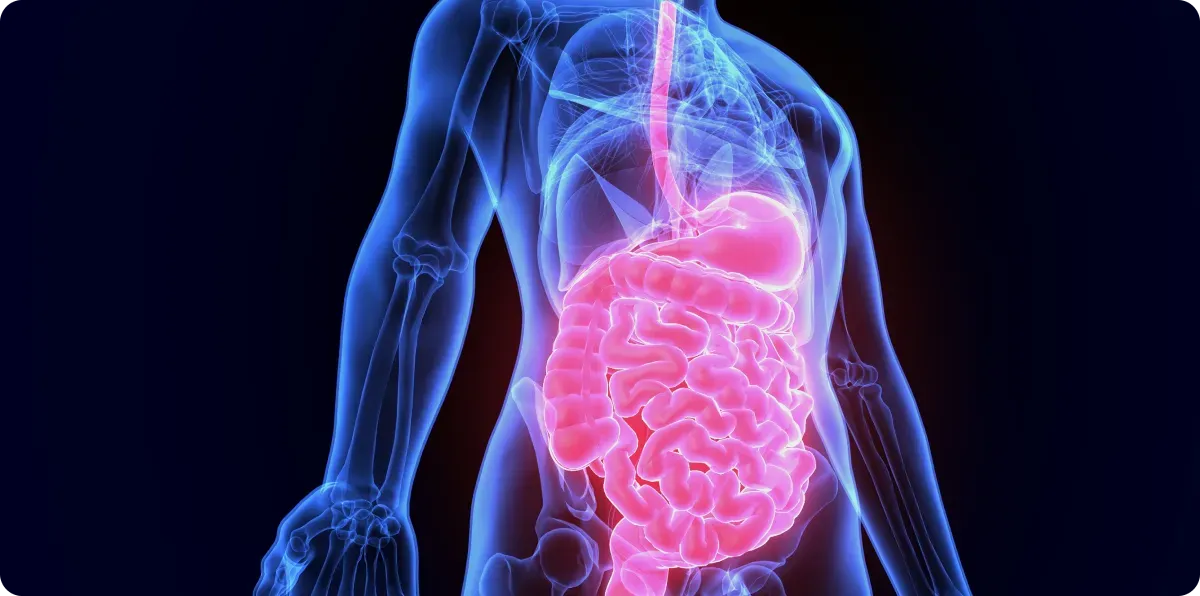
The Gastrointestinal & Liver Center provides care through a multidisciplinary team of specialists, including gastroenterologists and hepatologists, gastrointestinal surgeons, anesthesiologists, radiologists, and physicians specializing in medical and chemotherapy treatment.
The center provides examination, diagnosis, treatment planning, and follow-up for diseases of the gastrointestinal system and liver, with consideration given to the appropriateness and safety of each patient.
Main Services
The center provides examination and diagnosis of diseases of the gastrointestinal system and liver, covering the esophagus, stomach, intestines, liver, and biliary tract.
- Examination, diagnosis, and treatment of diseases of the gastrointestinal system and liver, covering the esophagus, stomach, intestines, liver, and biliary tract
- Gastrointestinal and liver endoscopy (GI Endoscopy)
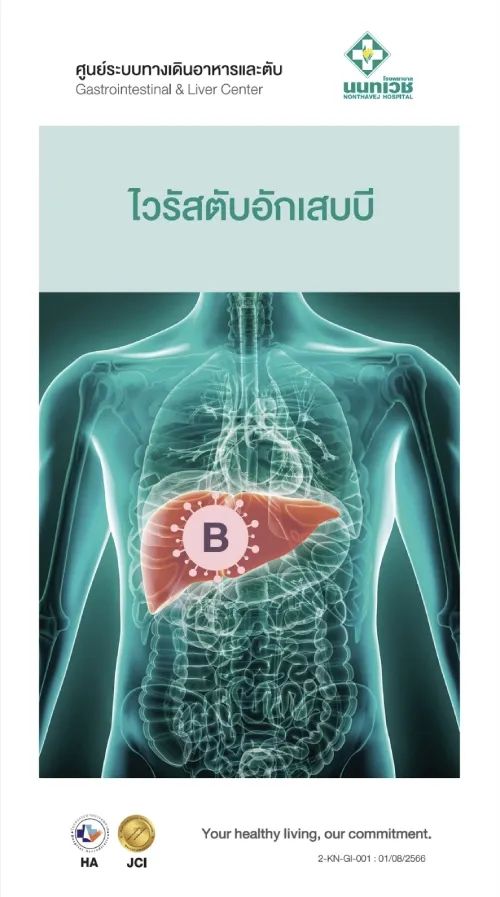
- Guidance on gastrointestinal health care and vaccination against diseases affecting the gastrointestinal system, such as hepatitis A and B
Diagnostic Procedures
- Endoscopic diagnosis and treatment of gallbladder and biliary tract abnormalities (ERCP), such as bile duct cancer and bile duct obstruction.
- Endoscopic diagnosis and treatment of gastrointestinal diseases (GI Endoscopy)
- Gastroscopy to examine the esophagus, stomach, and duodenum, including assessment of movement and abnormalities and testing for Helicobacter pylori infection in the stomach
- Colonoscopy to examine abnormalities of the intestinal lining and intestinal wall, bowel movement, and the colon, including the junction between the colon and small intestine
- Sigmoidoscopy to examine the lower part of the colon
- Polypectomy to remove abnormal polyps in the gastrointestinal tract
- PEG (Percutaneous Endoscopic Gastrostomy) for placement of a feeding tube through an endoscope without surgery or general anesthesia
- Endoscopic treatment of bleeding from esophageal varices
- Gastrointestinal Wireless Capsule Endoscopy is a newer diagnostic method for gastrointestinal diseases, particularly conditions affecting the deepest parts of the small intestine. The patient swallows a capsule that records images of different parts of the gastrointestinal tract. Physicians then analyze the images and information to support rapid and accurate treatment according to the underlying cause of the disease.
- Liver Biopsy involves obtaining liver tissue and cells for analysis in cases where there is a liver mass or suspected liver cancer, as well as liver inflammation.
Treatment
- Non-surgical treatment techniques
- Control of acute bleeding from the gastrointestinal tract and liver
Note: The original Thai wording appears unclear at this point and has been translated according to the source text without adding information. - Surgical treatment of gastrointestinal and liver diseases, such as:
- Surgery for diseases of the liver, bile ducts, and gallbladder
- Surgery for diseases of the esophagus, stomach, small intestine, and large intestine
Specialized Technologies and Equipment
To support accurate diagnosis, the center provides effective medical equipment, including:
- Abdominal X-ray and Ultrasound
Used for preliminary examination of organ structures such as the liver, gallbladder, and intestines. - Spiral CT Scan
High-speed computed tomography used to detect inflammation, stones, cancer, and bleeding in the abdomen. - Abdominal MRI
Provides high-resolution images and is suitable for detecting complex abnormalities such as masses, cirrhosis, and chronic hepatitis. - GI Endoscopy
Directly examines the esophagus, stomach, small intestine, and large intestine to detect polyps, ulcers, and early-stage cancer. - Gastrointestinal Wireless Capsule Endoscopy
Uses a pill-sized camera capsule that is swallowed to examine parts of the small intestine that cannot be reached by conventional endoscopy. It is suitable for patients with intestinal bleeding or unexplained chronic symptoms. - FibroScan®
Assesses liver fibrosis and fat accumulation without tissue biopsy to evaluate conditions such as hepatitis, cirrhosis, or fatty liver. The examination is rapid, painless, and suitable for patients requiring regular monitoring.
Why Choose Nonthavej Hospital’s Gastrointestinal & Liver Center?
- Specialist Medical Team — Care is provided by experienced physicians from multiple specialties.
- Medical Equipment — Supports examination, diagnosis, and treatment planning as appropriate.
- Systematic Care — From examination and diagnosis to treatment, endoscopy, and guidance on nutrition and health care.
- Service Environment — Designed with cleanliness, safety, and suitability for each patient in mind, under hospital quality accreditation standards including HA and JCI.
Frequently Asked Questions
The center provides care and treatment for diseases involving the esophagus, stomach, intestines, liver, and biliary tract, such as acid reflux, stomach ulcers, intestinal inflammation, gallstones, hepatitis, cirrhosis, and cancers of the gastrointestinal system.

Address
Appointment: Book an appointment through the Doctor Search system on the website or visit the hospital directly. Staff are available to provide information and accept appointments.


Opening Hours
Daily, 07:00–20:00